
The complete guide
Choosing a Portable File Organizer for Important Documents
Important papers have a way of spreading out. A renewal notice stays on the kitchen bench. Receipts collect in a drawer. A passport goes somewhere safe, then takes too long to find when you need it.
A portable file organizer gives those items a shared home. The aim is simple: less searching and a clearer place to put the next document that arrives.
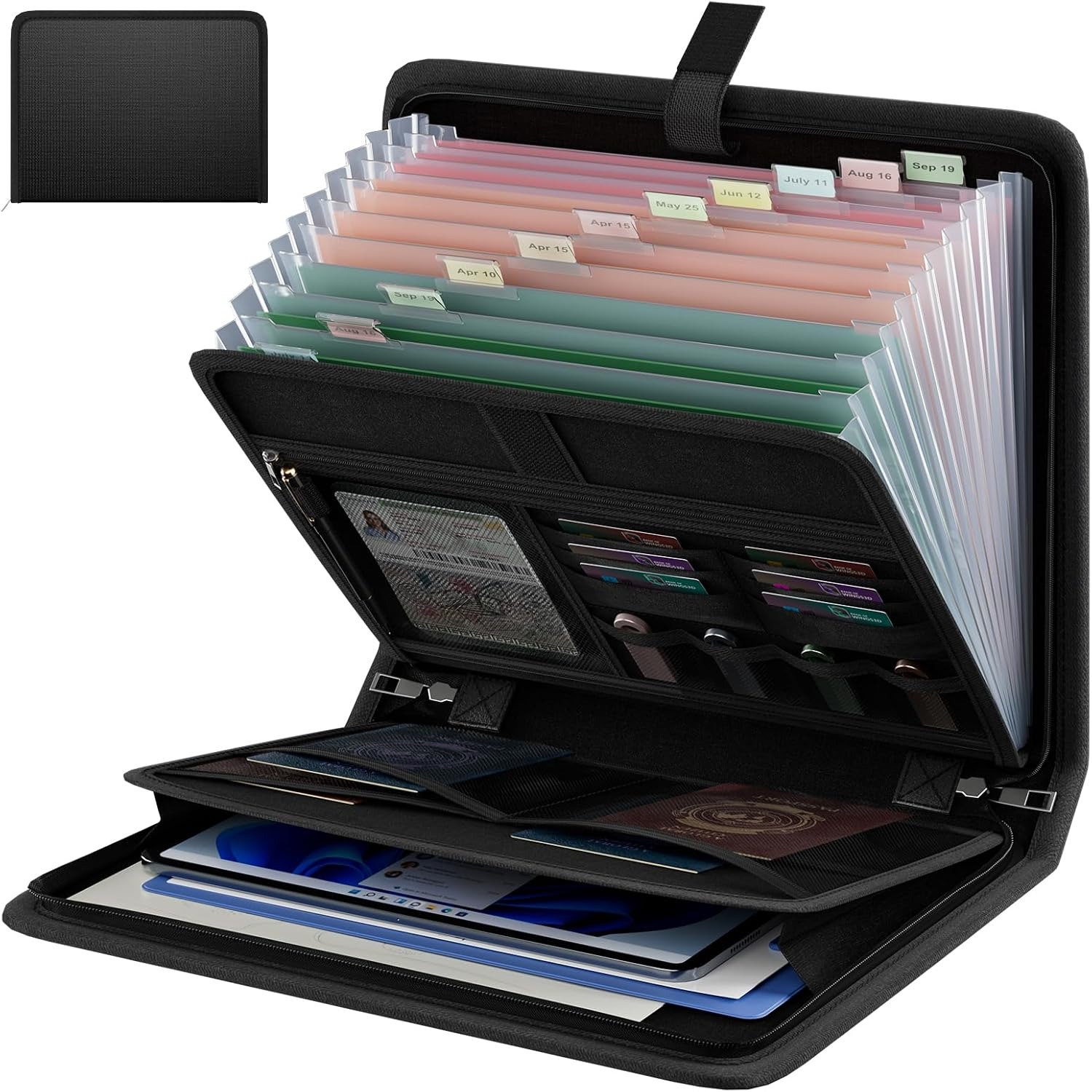
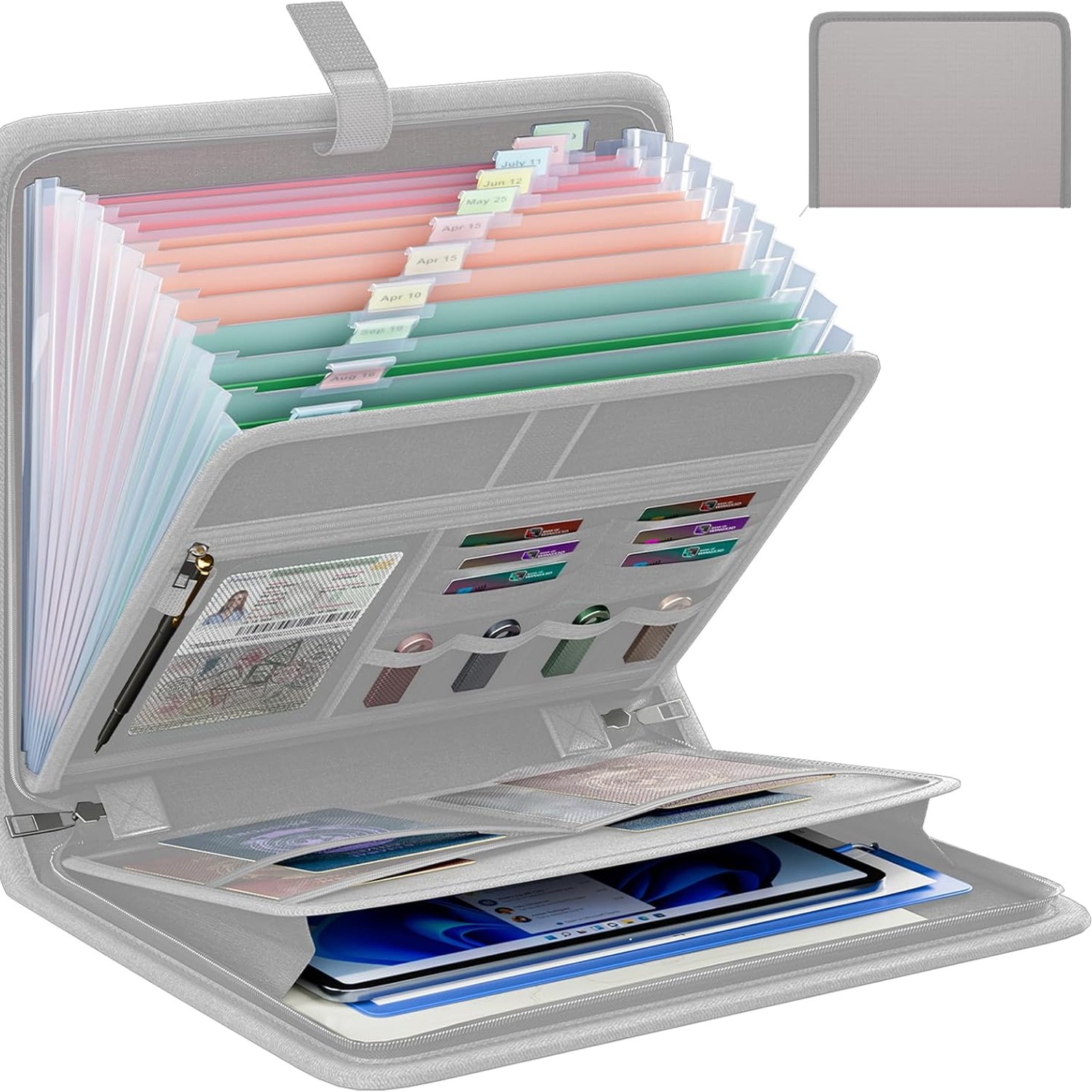
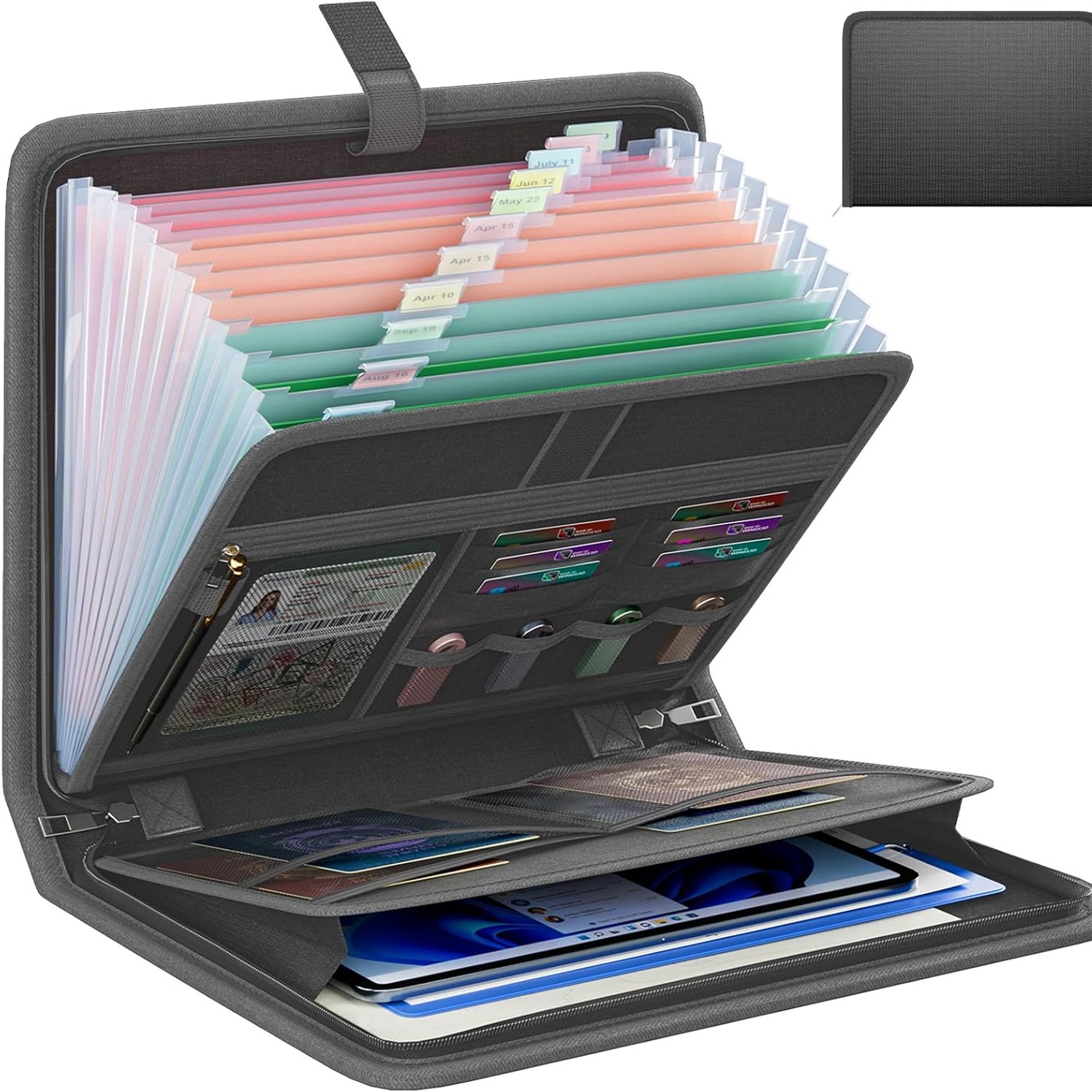
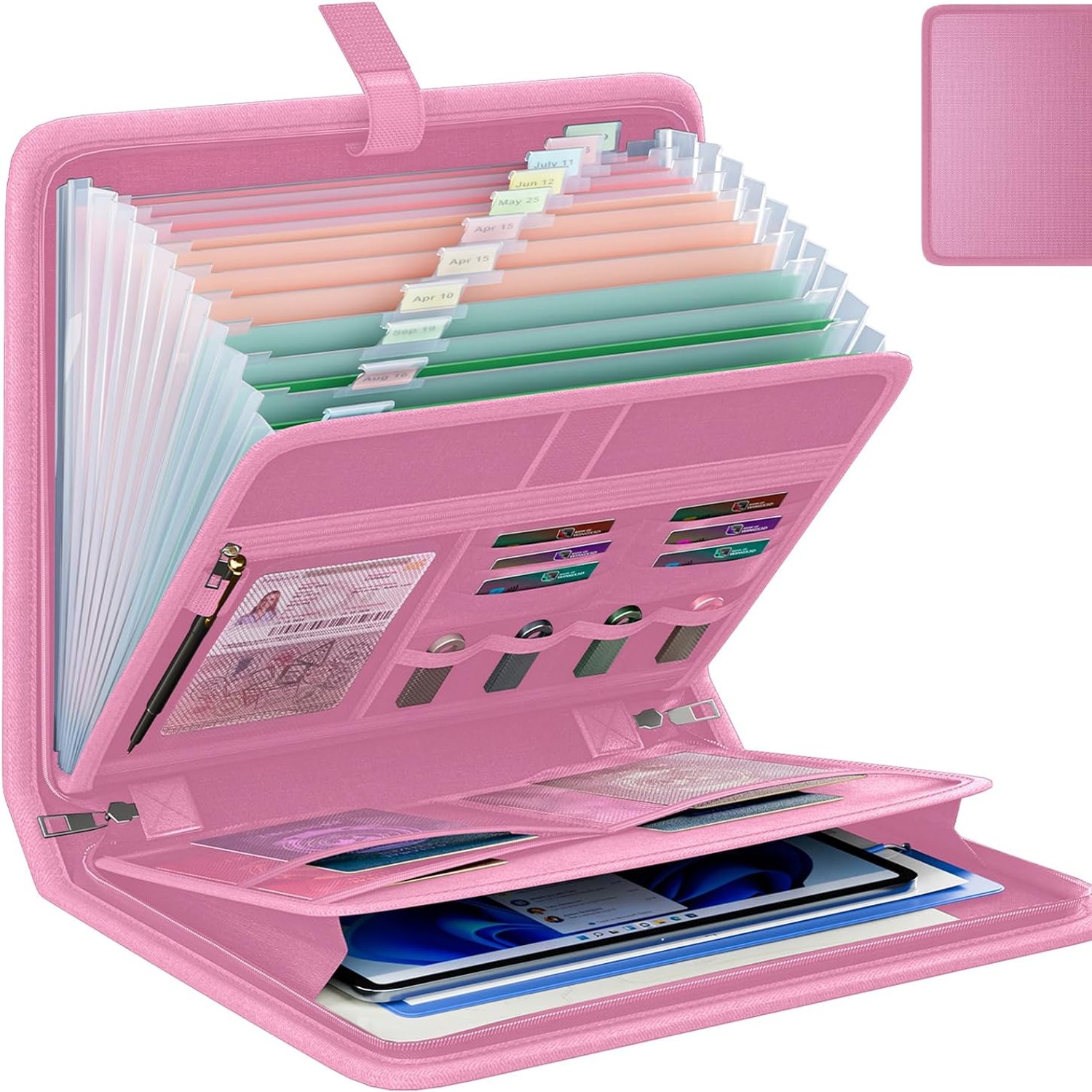
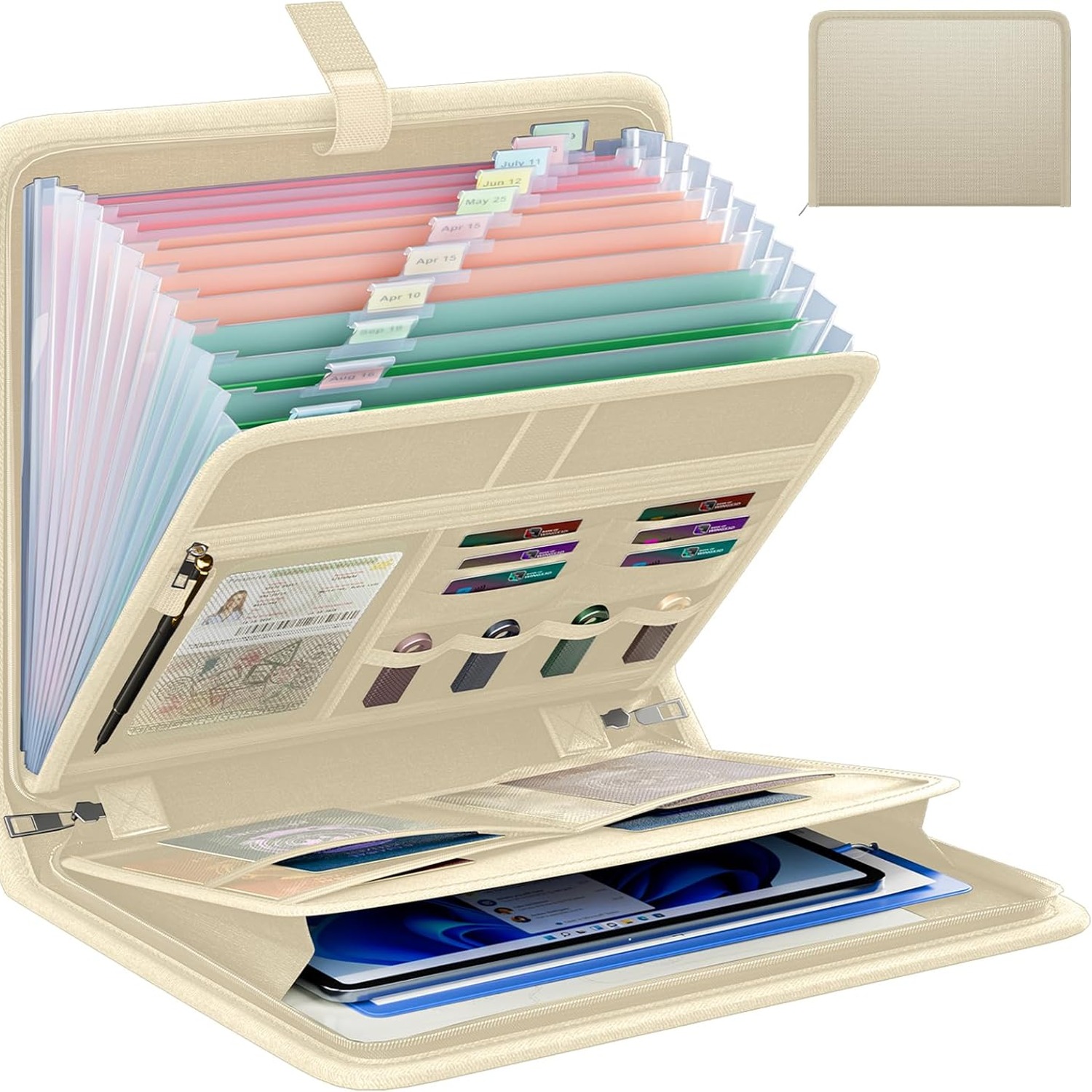
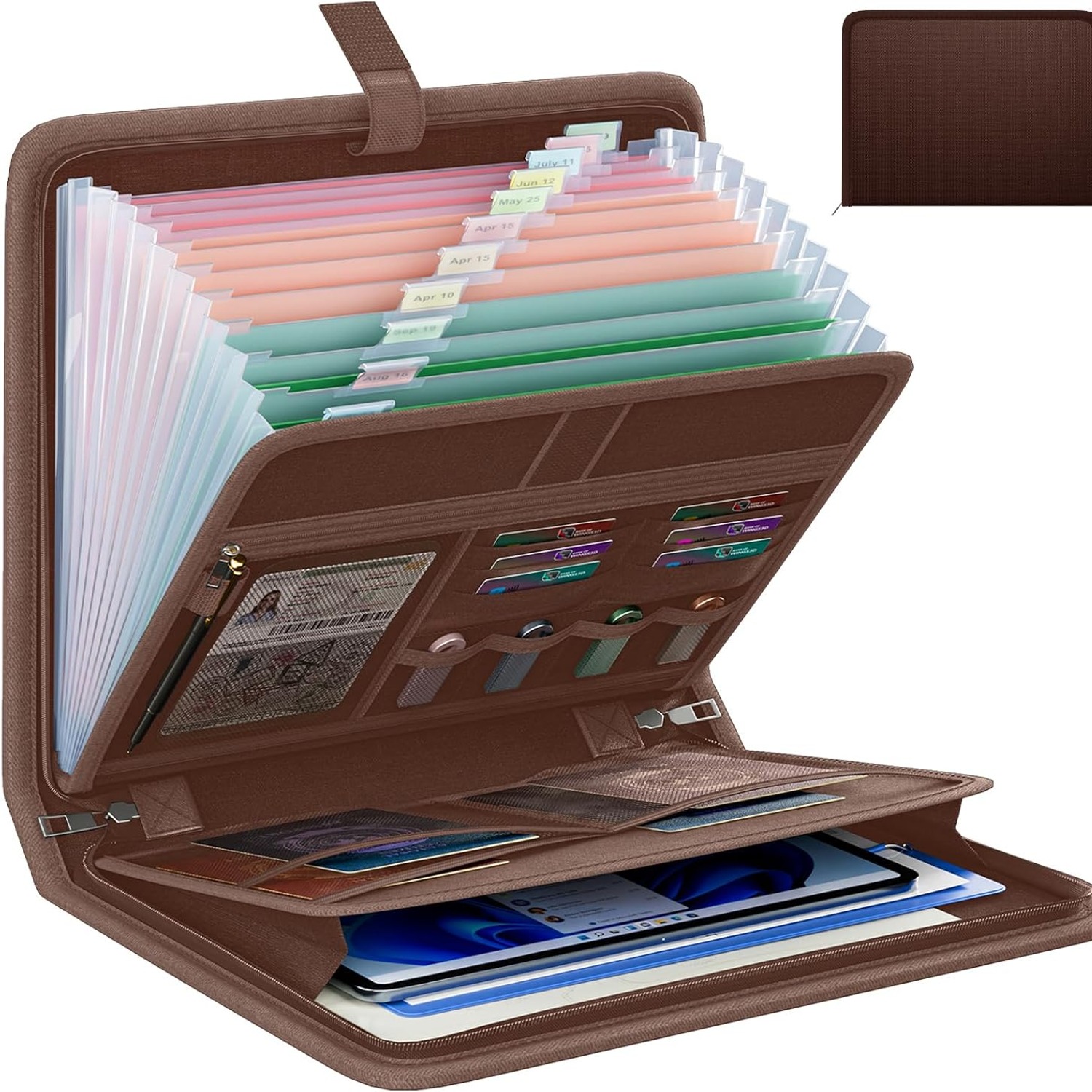
This fireproof file organizer combines 13 accordion pockets with smaller storage sections and a zipped outer closure. It is worth looking closely at both the filing layout and the limits of the protection claims before deciding whether it fits your needs.
Start with the paperwork you actually keep
Before choosing important document storage, gather a sample of the papers you plan to file. Include the largest sheet, the thickest envelope and any protective sleeves you normally use.
This organizer supports Letter and A4 paper. That covers many everyday forms and household records, but it does not mean every envelope, binder or presentation wallet will fit.
Think about access as well as size. Papers you use each week need a different filing plan from records you rarely touch. If everything goes into one section, even a divided folder can become another pile.
A useful starting point is to separate active paperwork from long-term records. Then decide which group belongs in a portable folder.
How the accordion layout helps
An accordion file opens into divided sections, letting you sort papers without a separate folder for every topic. This model has 13 pockets, with top-positioned tabs and colourful labels.
You could organize by subject, such as housing, health, insurance and tax. Another approach is to give each person a section, then reserve the remaining pockets for shared records.
Use names that make sense at a glance. A label reading “Car” may work better than a broad term such as “Personal”. Someone else should be able to understand the system if they need to find a document for you.
Leave room for change. There is no need to fill every pocket on the first day. An empty section can be useful when a new project or set of records comes along.
Check the size against your storage space
The listed dimensions are 14.17 × 10.63 × 1.57 inches. Measure the shelf, drawer or bag where you want to keep it, rather than judging fit from a photograph.
Allow space to open the organizer too. A folder may fit neatly on a shelf but still need a clear surface for reading tabs and removing papers.
The maker does not provide usable internal measurements or an expanded depth. That matters if you plan to store thick bundles, bulky sleeves or several booklets together.
For a letter size document holder, paper compatibility is a good starting point. It is not a promise that every accessory around those papers will fit. Compare your actual items before placing an order.
Understand capacity before filling it
Thirteen pockets describe the filing layout, not the amount each pocket can hold. The details also list a fastener capacity of 50 sheets, but do not explain total capacity across the organizer.
Do not multiply that number by the pocket count. There is no stated basis for doing so.
Instead, plan around a selected set of useful records. If you have years of statements or thick files, separate archive storage may be more practical. Keep the papers you need to reach easily in the portable organizer.
When filling an expandable file folder, watch the closure. The zippers should close without pulling hard or compressing a thick stack. If the folder feels strained, reduce the contents.
Give small essentials their own place
Loose cards and small storage drives can disappear between full-size pages. This organizer includes six card slots and four USB slots, plus four passport-sized pockets.
There is also a zipper pocket and an expandable pocket. These offer different places to group small items rather than putting everything into the main filing sections.
A passport document organizer is most useful when each item has a clear place. Avoid packing every pocket simply because it is available. Leave enough room to see what is there and remove it without disturbing the rest.
Individual pocket measurements are not given by the maker. Check the fit of passport covers, USB drive bodies and card cases gently, without forcing them into a slot.
Read fire and water claims with care
The product is described as a fireproof accordion file organizer, and the listed material is silicone fiberglass. The maker also describes a flame-resistant outer construction.
However, the maker's description does not provide a verified fire rating or a documented protection duration. That leaves important questions unanswered, including how the complete organizer performs during a specific fire exposure.
The maker describes a waterproof zipper, but no immersion rating is stated. A zipper claim should not be read as proof that the whole folder can sit underwater without damage.
Treat those limits as part of the buying decision. Keep the organizer away from deliberate heat, flame and standing water. If you need storage that meets a particular fire or water standard, look for documented testing for the complete product.
Know the difference between a folder and a safe
A fireproof document box and a portable accordion folder can appear in the same search results, but their designs serve different needs.
This product closes with double zippers. A lock is not specified, and it should not be treated as theft-resistant storage.
Its main practical role is organization in a portable format. It separates papers, provides small-item pockets and keeps the contents within a zipped folder.
If your priority is restricting access, compare lockable storage. If your priority is a stated protection level, compare products with verified ratings. A well-labelled folder can still be useful, but it should not be asked to do the job of a security safe.
Decide whether portability matters to you
The listed weight is 0.62 kg before you add your papers and other items. That gives you a starting point when thinking about carrying it between rooms or placing it in a travel bag.
A portable document organizer may suit someone who works at different desks, attends appointments with paperwork or wants selected records stored together.
For travel document storage, be selective. Carry the documents needed for the trip rather than every important record you own. Keeping too much together can make the folder harder to use and increases what could be lost if it goes missing.
Check bag space with the listed dimensions. Do not assume that a folder fitting A4 paper will fit every bag sold for office use.
Build a filing routine that lasts
The best household paperwork organizer is one you will keep using. A simple system usually has a better chance than a detailed one that takes too much effort.
Start with a few clear categories. Sort one small stack at a time, and deal with duplicate or outdated papers according to your record-keeping needs.
For a receipt file organizer, choose a method that matches how you review spending. Monthly sections may suit one person, while another may prefer categories such as repairs or work expenses.
Set a regular time to clear papers waiting to be filed. Even a short check can stop loose sheets from building up around the organizer. Review labels when your needs change.
Care for the organizer and its contents
Remove the contents before cleaning. A soft, lightly damp cloth is a cautious choice for surface marks. Let the organizer dry fully before replacing any papers.
No washing or soaking instructions are provided. Avoid immersion, harsh scrubbing and testing the material with flame or heat.
Check seams and zippers from time to time. If a paper corner catches near the closure, move it rather than pulling harder. Keeping pages flat and within the filing area can make access easier.
Store the folder in a dry location. Organisation is useful, but keeping backup copies of records where appropriate is still sensible. One physical folder should not be your only plan for every important document.
Use it thoughtfully for emergency paperwork
An emergency document folder can reduce the time spent looking for selected records during normal planning. Decide what belongs inside before an urgent situation occurs.
Make sure trusted household members know where it is and how the sections are labeled. Review the contents when contact details or important records change.
Still, personal safety comes first. Never delay leaving an unsafe place to retrieve the organizer, and do not go back for it.
Portability and a clear filing system are useful features. They do not guarantee that documents will survive an emergency, and they do not replace a wider household safety plan.
The short version
Choose this organizer if you want 13 filing pockets, Letter and A4 compatibility, and separate spaces for passports, cards and USB drives in a zipped format.
Check the listed dimensions against your storage space and keep expectations about capacity realistic. Total sheet capacity, verified fire performance and immersion protection are not specified.
For everyday filing, clear labels and a manageable set of papers matter most. Start with the records you need, give each group a place and keep the system simple enough to maintain.