
The complete guide
Choosing a Portable Fingerprint Safe for Small Belongings
Small belongings have a way of spreading out. A passport goes into a drawer, cash ends up beside the bed, and a watch sits wherever you last took it off. A dedicated storage box gives those items a shared home and adds a lock between them and casual access.
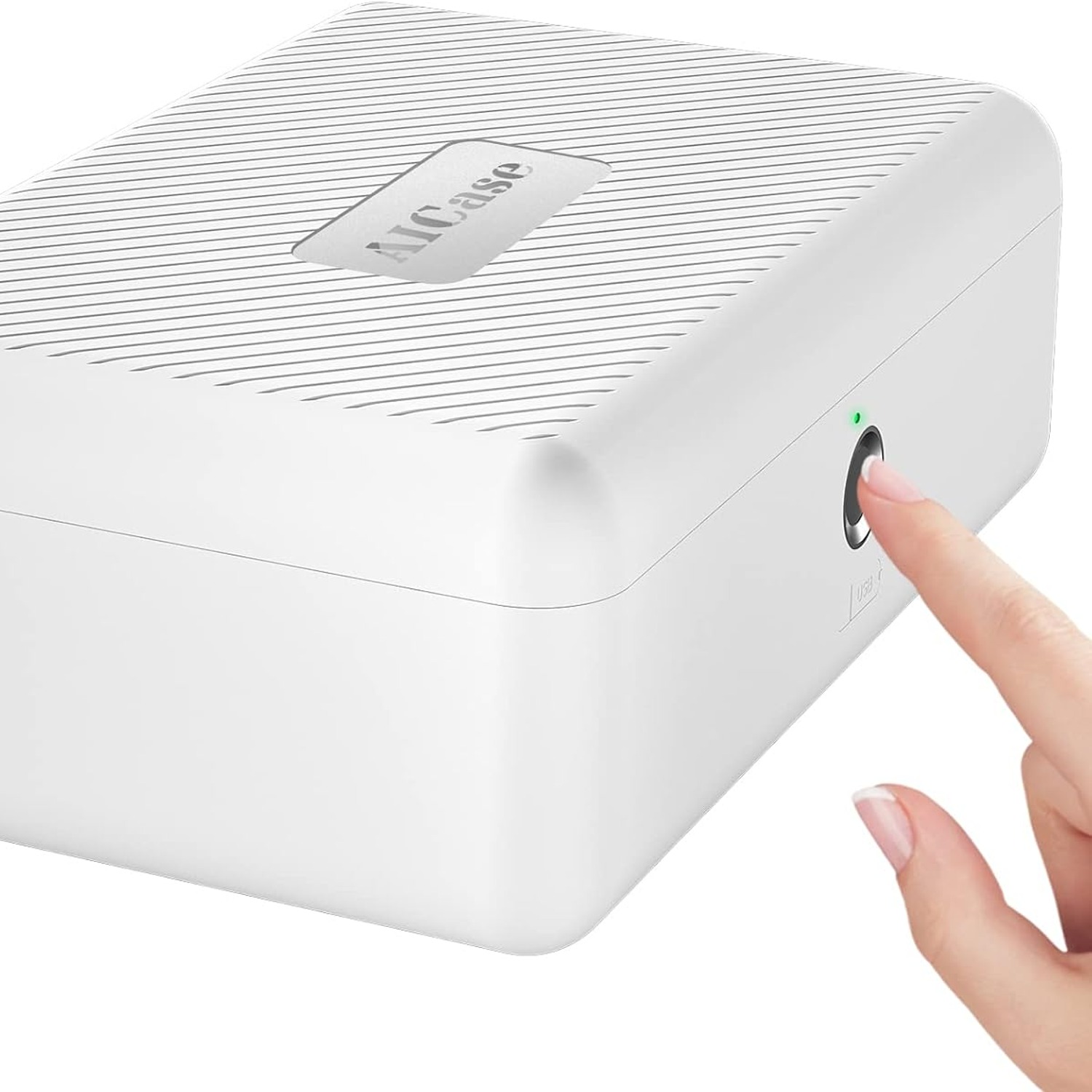
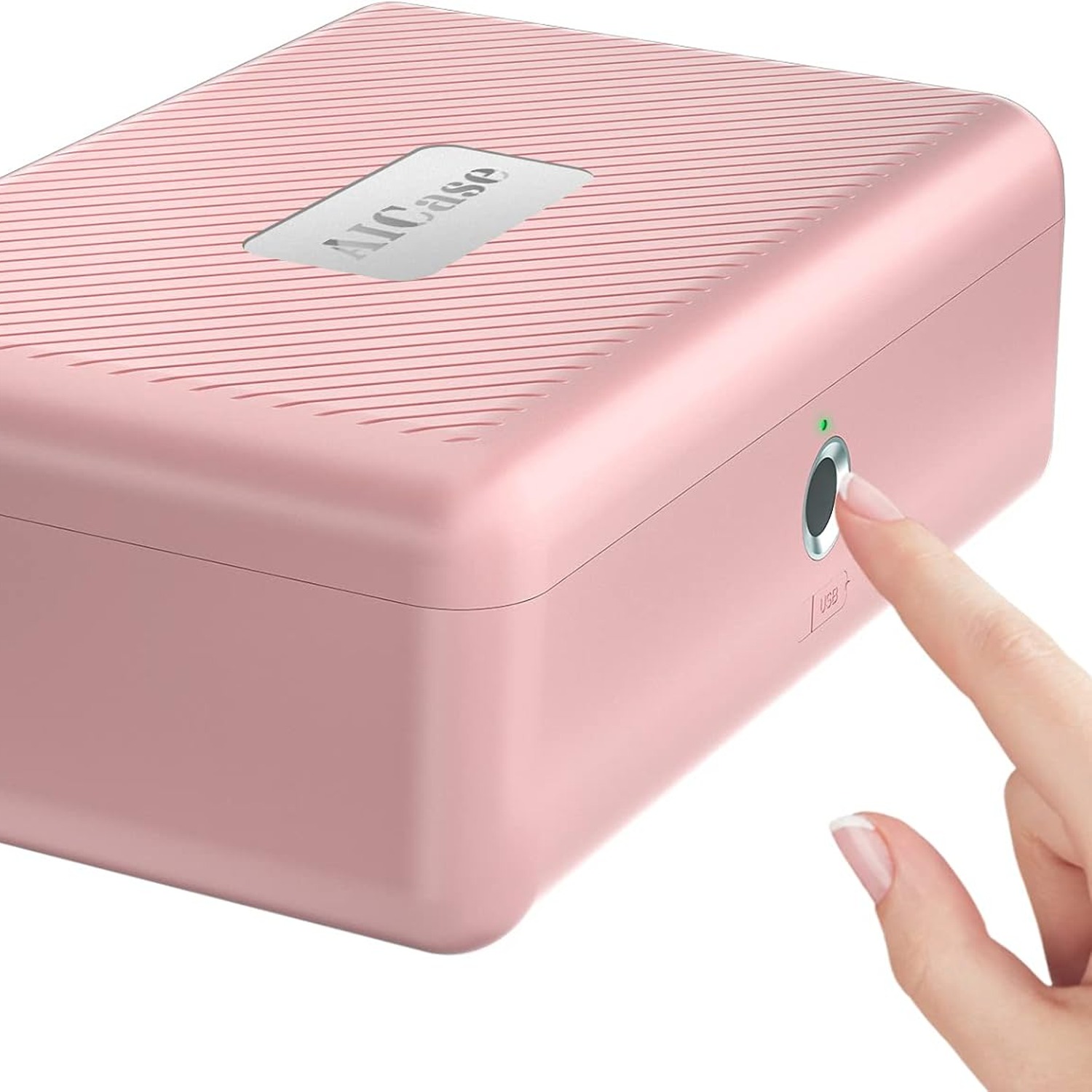
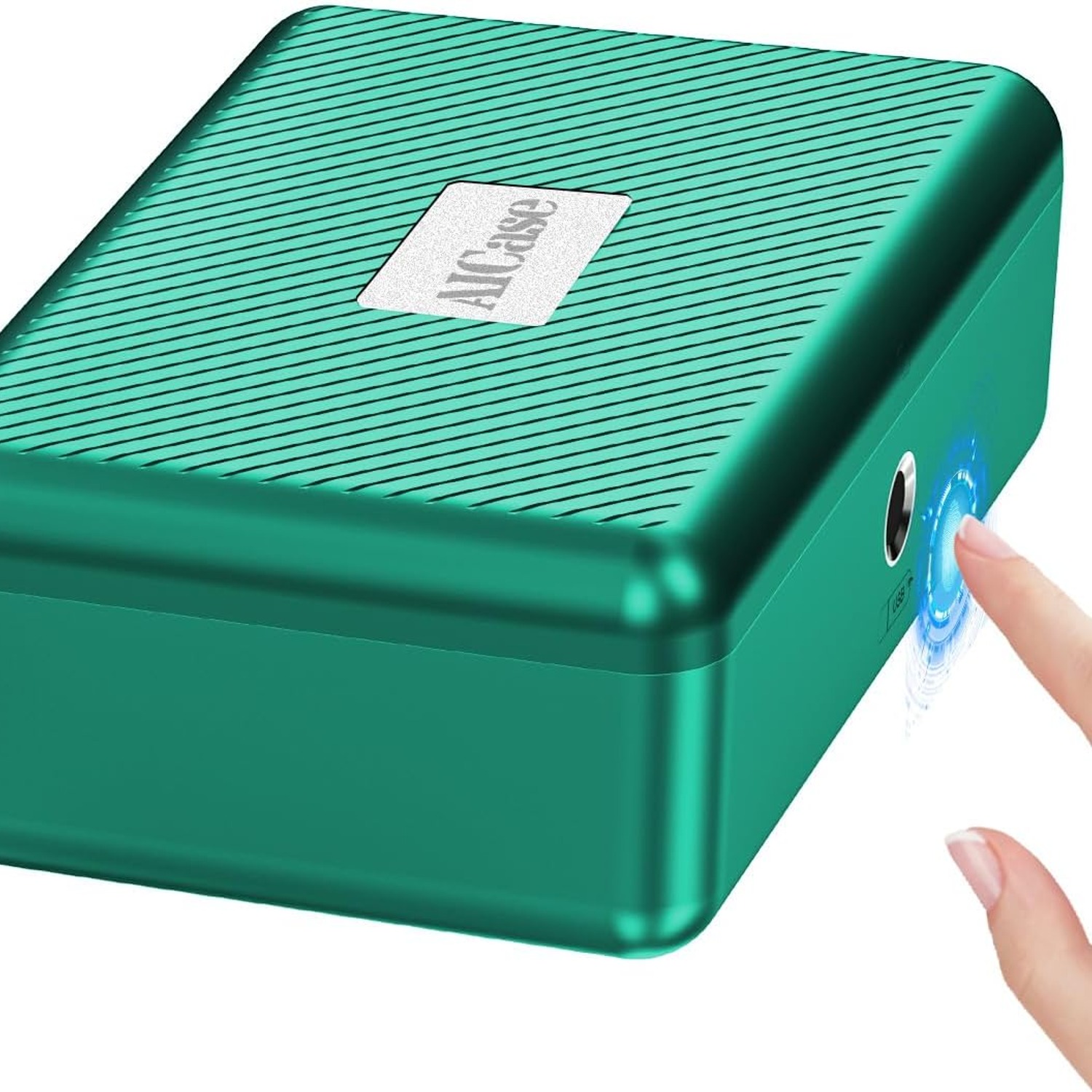
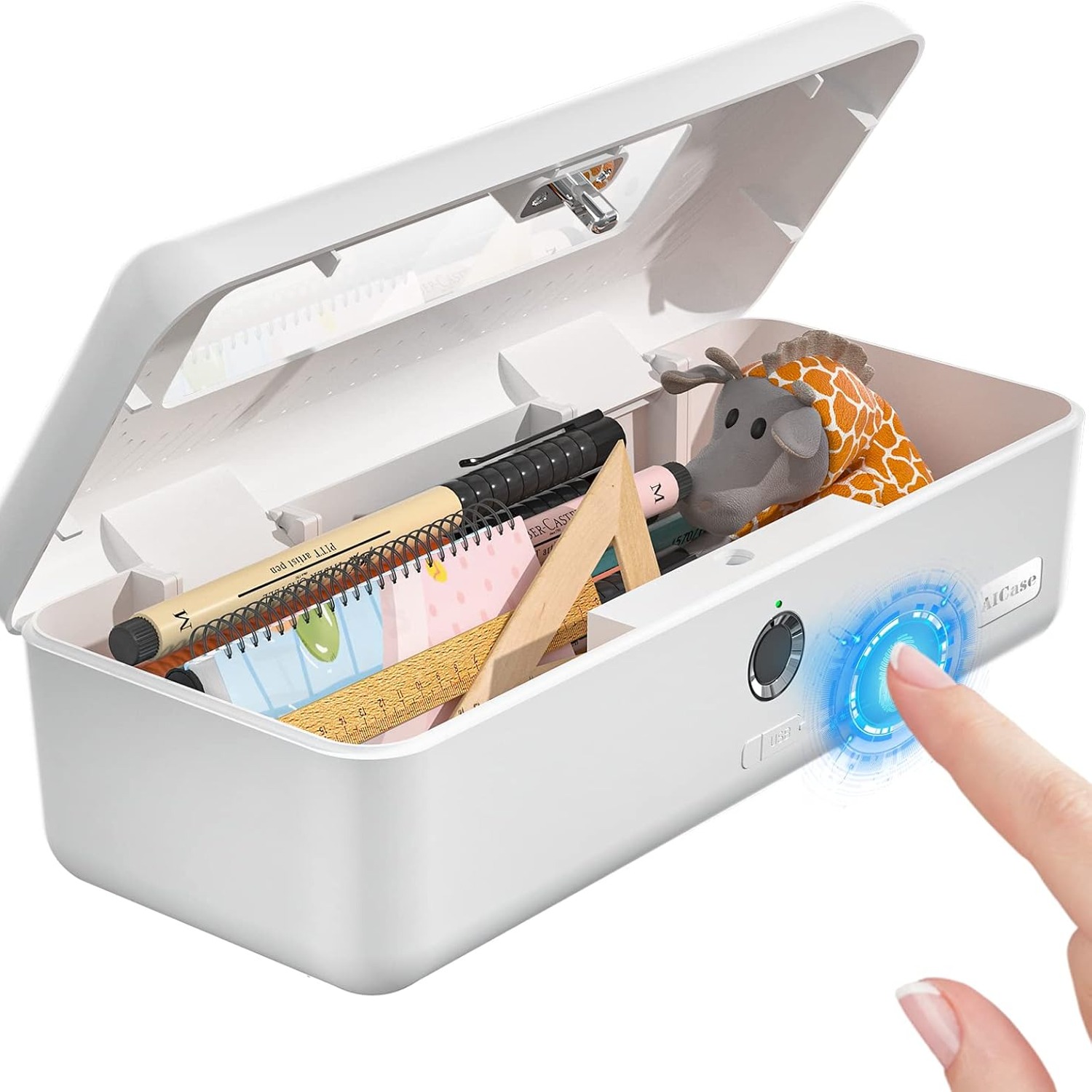
This Biometric Safe Box combines fingerprint access with an alternative code method in a portable format. It also has a removable shelf for arranging smaller contents. Those features can be useful, but choosing a safe calls for more than counting access options. Fit, setup, battery care, and the stated limits matter just as much.
Start with what you want to store
Before choosing a small home safe, put the intended contents together. Measure the largest item, including its case or cover. Then consider how much room the rest will need. A passport on its own takes less space than a passport wallet filled with cards and papers.
The maker suggests cash, jewelry, passports, and mobile phones among possible contents. That makes this box worth considering for everyday personal storage. It does not mean every phone, wallet, or document folder will fit.
Think about how often you will open it, too. A bedside storage safe used each day needs to sit somewhere easy to reach. A box used mainly for travel papers may be opened less often, but still needs regular battery checks. Choose its location around your routine rather than placing it somewhere awkward and hoping you will keep using it.
Understand the two access methods
The main opening method is fingerprint recognition. The maker states that the box can hold up to 50 fingerprint records. That gives room for multiple registrations, though the maker does not explain how they are managed or assigned.
The second method uses a 12-digit code made from zeros and ones. The maker calls this Morse code access. Follow the supplied instructions for the actual entry process rather than assuming it works like a standard numbered keypad.
A code access safe can offer another way in when you do not want to use the reader. Still, both methods need proper setup and testing. Learn how they work while the box is empty, when a mistake is inconvenient rather than stressful.
The component list also mentions a key. Its exact role is not explained in the maker's description. Check the instructions before relying on it as an emergency opening method.
Complete setup before storing anything
There is one setup detail that deserves close attention. The maker says the box has no fingerprints enrolled at the factory and that anyone can open it in that state.
Do not treat it as personal storage straight out of the packaging. Read the instructions, complete enrollment, and set the alternative code before putting belongings inside. Test the configured access methods several times with the box empty.
If more than one person will use this biometric fingerprint storage box, agree on who should have access. Do not confuse the ability to save many fingerprint records with a need to enroll many users. Access should match the purpose of the box.
Keep any access notes somewhere separate. A code stored inside the box cannot help you when you cannot open it, while a code left beside it defeats the reason for setting one.
Check the measurements carefully
This listing contains slightly different size descriptions. The product details give outside dimensions of 6 inches deep by 9 inches wide by 3 inches high. The descriptive text gives 9 by 5.9 by 3 inches.
The chamber fields list a width of 9 inches, a depth of 2 inches, and a height of 5.9 inches. These labels do not form a clear, consistent picture of the usable interior. For an item that fits closely, ask for confirmed measurements before ordering.
The stated capacity is 155 cubic inches. That number gives a broad sense of volume, but it cannot tell you whether a stiff passport cover or bulky phone case will pass through the opening.
Leave some spare room in your plan. A box that only just holds everything may be frustrating to use, especially if you need to move several items each time you reach for one.
Decide whether the shelf helps
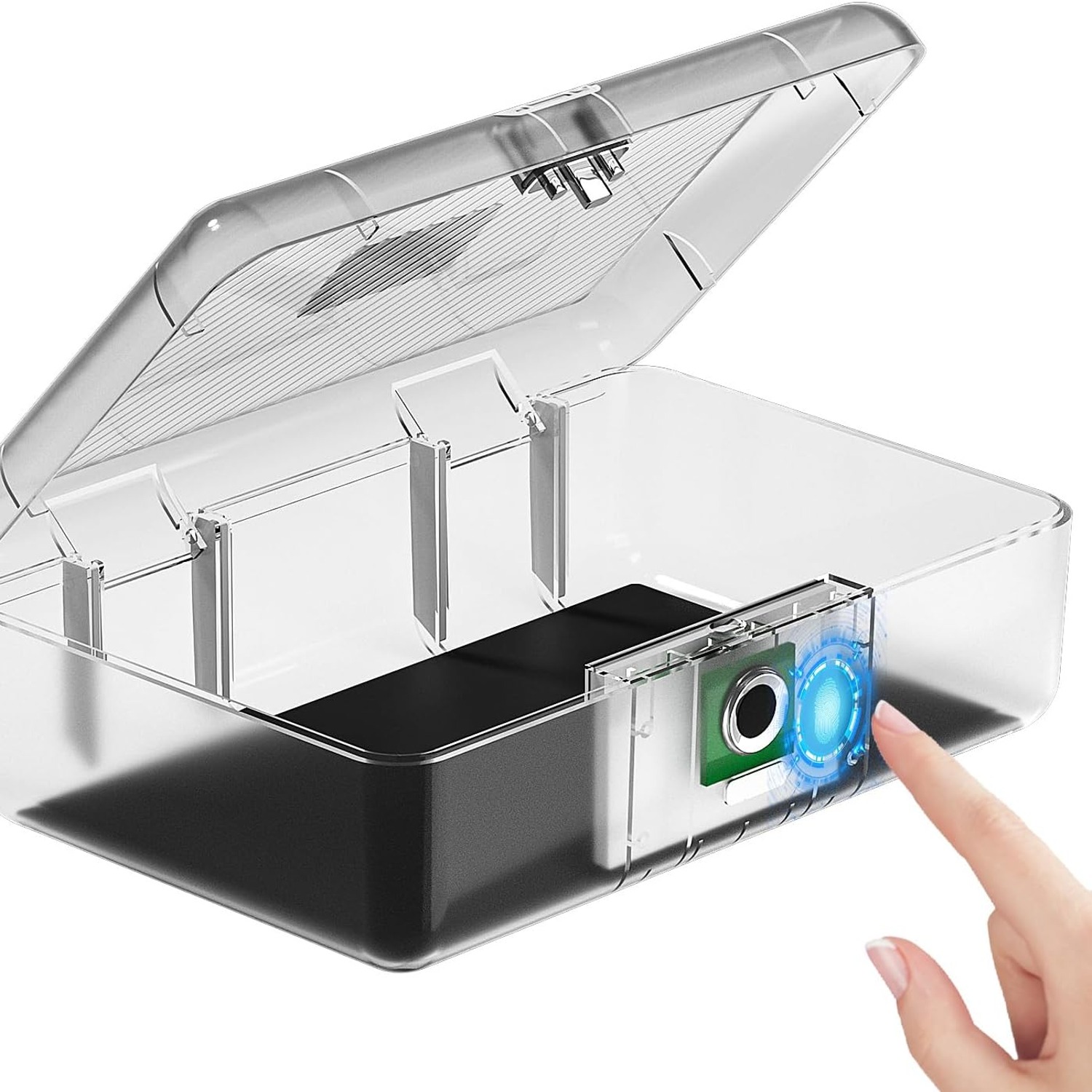
Built-in separation and a removable shelf give this box some flexibility. Smaller belongings can be arranged apart rather than placed in one pile. That may be useful when using it as a personal cash box or jewelry storage safe.
The maker does not give shelf dimensions or a load limit. Do not assume that every item will fit above or below it. Check the arrangement with your own contents before deciding how to use the space.
A removable shelf safe is most useful when the layout matches what you store. If the shelf makes access cramped, follow the instructions for removing it. Avoid forcing the lid closed over an item that is too tall or packed too tightly.
For jewelry, consider whether individual pieces need their own pouches to prevent contact. The maker's description does not specify a protective interior lining, so do not assume the inside provides scratch protection.
Plan for charging
This USB C safe box has a built-in 280 mAh lithium battery. A 6.5 ft Type C charging cable is listed as included. A wall adapter is not specified.
The maker states more than 2000 unlocks and 180 days of standby from a full charge. Those are stated performance figures, not a promise that every user will reach them. Frequency of use and other conditions can affect the charging routine.
A red light is described as flashing during unlocking when the charge falls below 10%. Treat that signal as a prompt to charge, rather than waiting to see how many openings remain.
It helps to make battery checks part of an existing habit. If you keep travel documents inside, check the charge before a trip rather than on the morning you leave. Follow the supplied charging directions and keep the port dry.
Separate portability from protection
The stated weight is 0.35 kg, with the product details also listing 12.3 ounces. The mounting type is portable. These facts suit someone looking for a box that can be moved rather than a permanent installation.
Portability has a trade-off. A box that you can carry can also be carried by someone else. The maker does not specify anchors, mounting hardware, or a tested resistance to forced entry.
The details describe a white metal body, but do not identify the metal type or wall thickness. Metal construction alone does not tell you how much force a box can withstand.
If you need a rated burglary safe, an insurance-approved container, or a fixed installation, look for explicit evidence of those features. This portable fingerprint safe has no such rating stated in the maker's description.
Consider special storage needs separately
Some belongings need more than a lock. Medicine may have temperature, moisture, and access requirements. No temperature control or child-resistance standard is given by the maker.
The maker also mentions small firearms, but that is not proof of firearm-storage certification. Legal requirements vary, and the maker provides no certified standard to compare against them. Do not choose it for that purpose based on size or fingerprint access alone.
For important documents, remember that this box is listed as not water resistant. The maker gives no fire rating either. A passport storage box may help keep documents together without protecting them from a leak or fire.
Match the product to the risk you need to address. Organization, controlled everyday access, water protection, and tested theft resistance are different needs. One feature should not be taken as evidence of another.
Choose a sensible place and care routine
Place the box on a stable, dry surface where you can open it without knocking nearby objects over. Check that there is room to reach the controls and connect the charging cable when needed.
For cleaning, use a soft, dry cloth. Keep the fingerprint reader free of visible dirt and keep liquid away from the electronics. Since the box is not water resistant, a damp bathroom or a spot beside a sink is a poor choice.
Avoid overfilling the chamber. Contents should not press against the lid or interfere with closing. Check the interior layout again when you add a larger item.
If you move the box between locations, include it in your usual check of personal belongings. Portability is useful, but it also makes it easy to leave a storage box somewhere you did not intend.
Check delivery and policy details
The brief states free delivery on every order within the United States. It does not provide a handling time or arrival estimate. Use the current checkout information when planning around a trip or gift date.
The maker gives no warranty term or return window in the maker's description. Read our delivery and returns pages policy before ordering, especially if the box needs to fit a particular item.
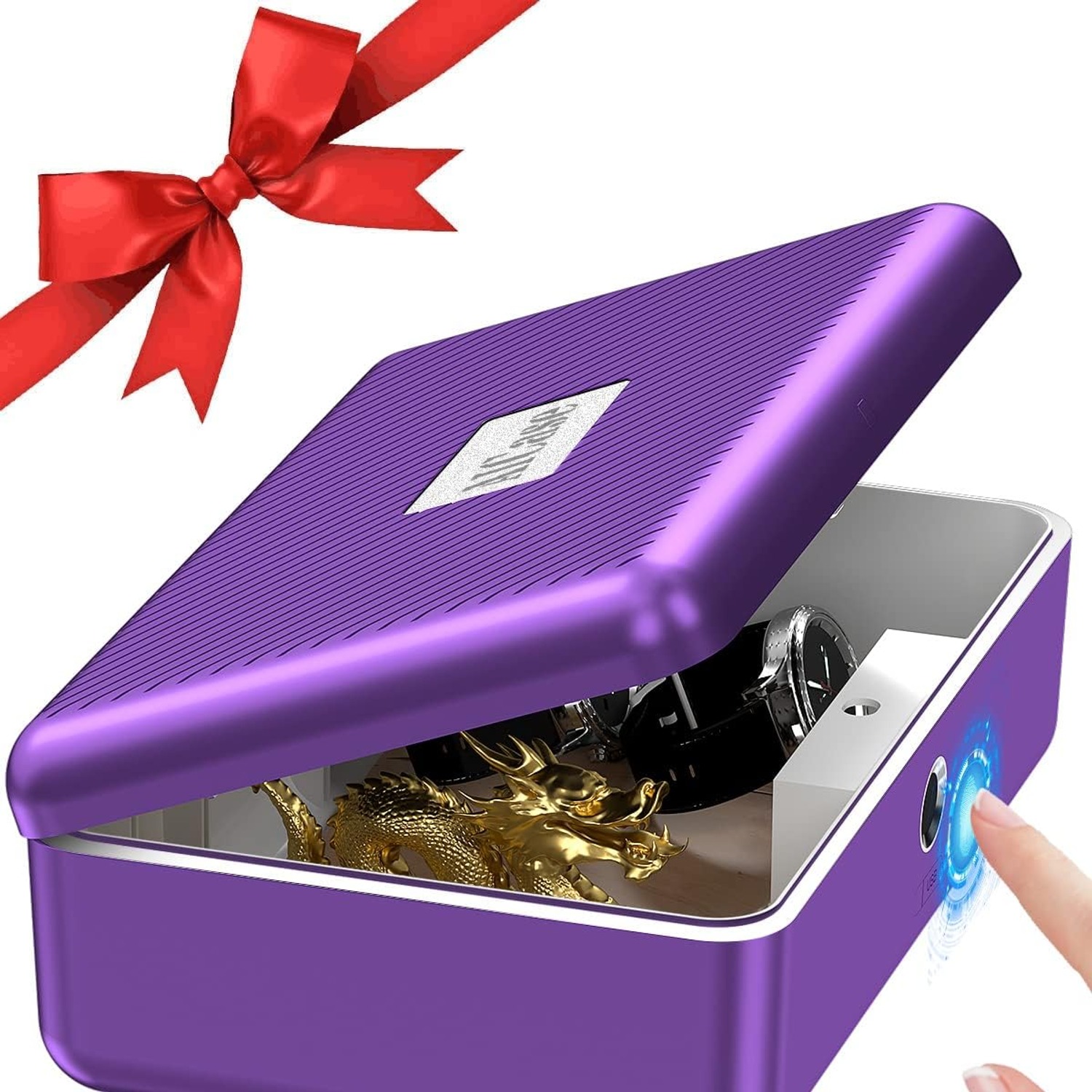
As a gift, it may suit someone who wants a compact electronic safe for personal belongings. Leave fingerprint enrollment and code selection to the recipient so they control access from the start.
The short version
This Small Fingerprint Safe offers fingerprint and binary-code access, USB Type C charging, and a removable shelf in a portable box. Its strongest fit is a buyer who wants small-item organization with electronic access and understands the limits stated by the maker.
Confirm the interior measurements, complete setup before use, and keep the battery charged. If you need tested fire, water, burglary, or regulated-storage protection, choose a product with the relevant documented rating instead.