
The complete guide
Choosing a Combination Cash Box for Everyday Cash Handling
Loose change becomes hard to manage when coins, notes, and receipts all share one drawer. At a yard sale or school fundraiser, that can mean searching for change while someone waits. At home, it can make a small cash float harder to check.
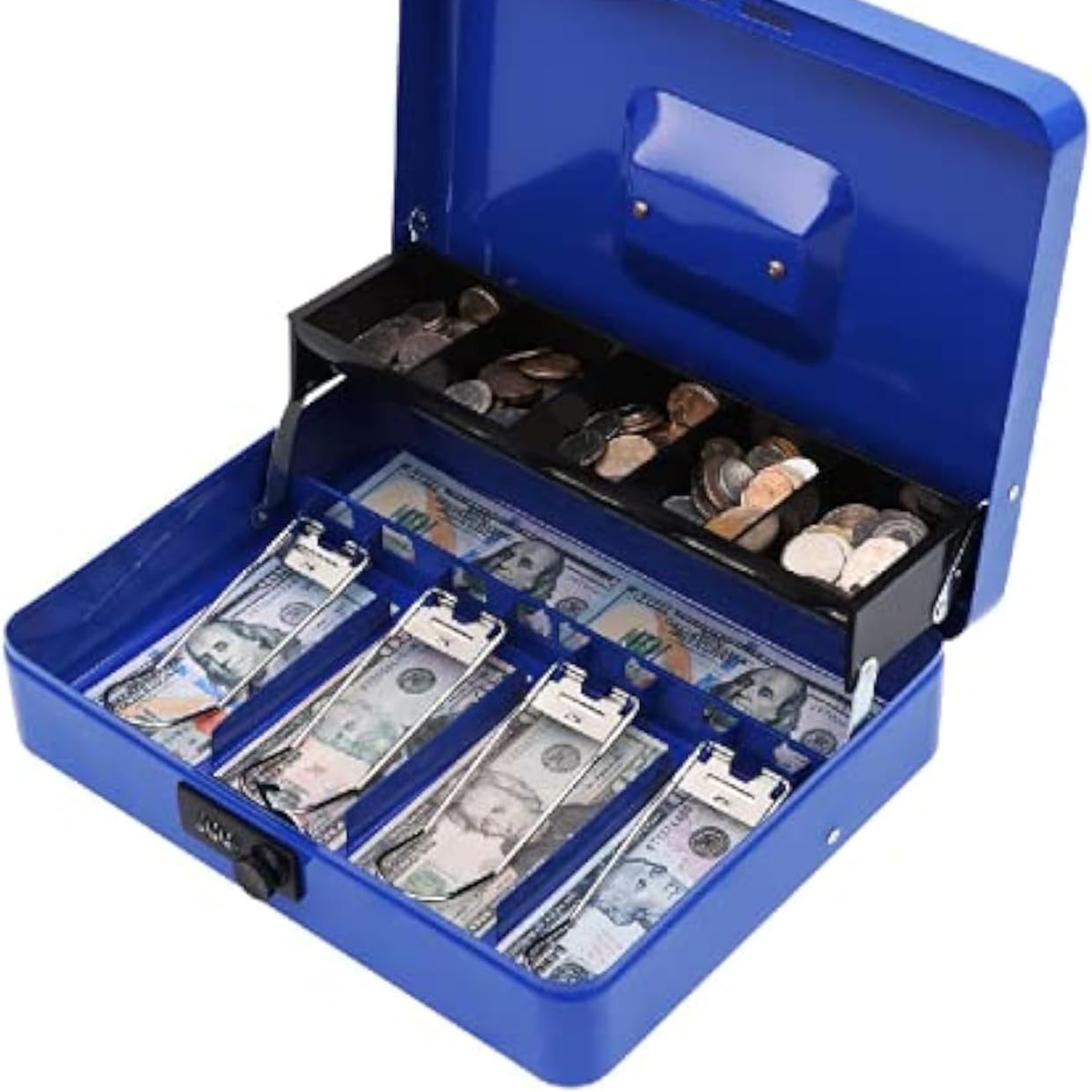
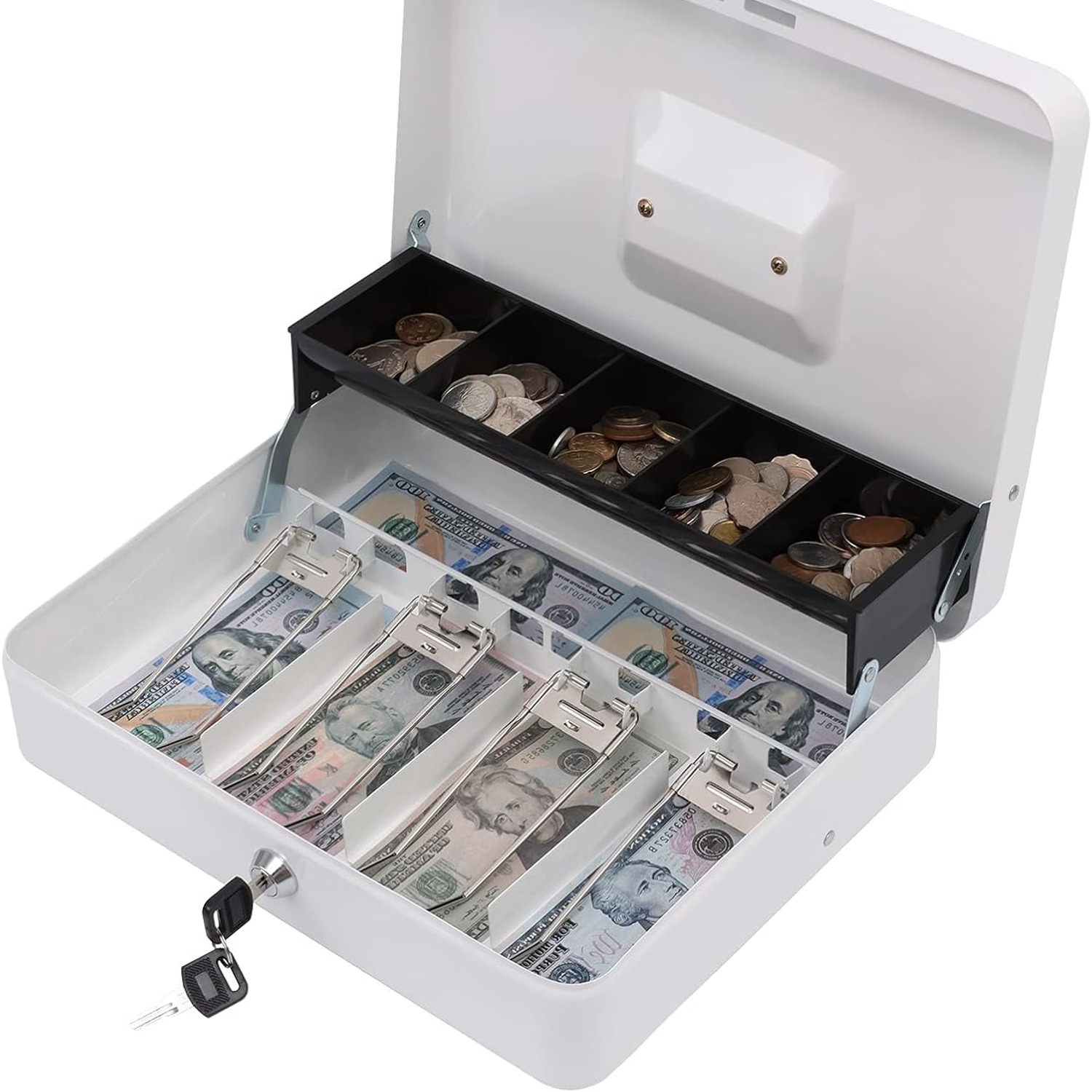
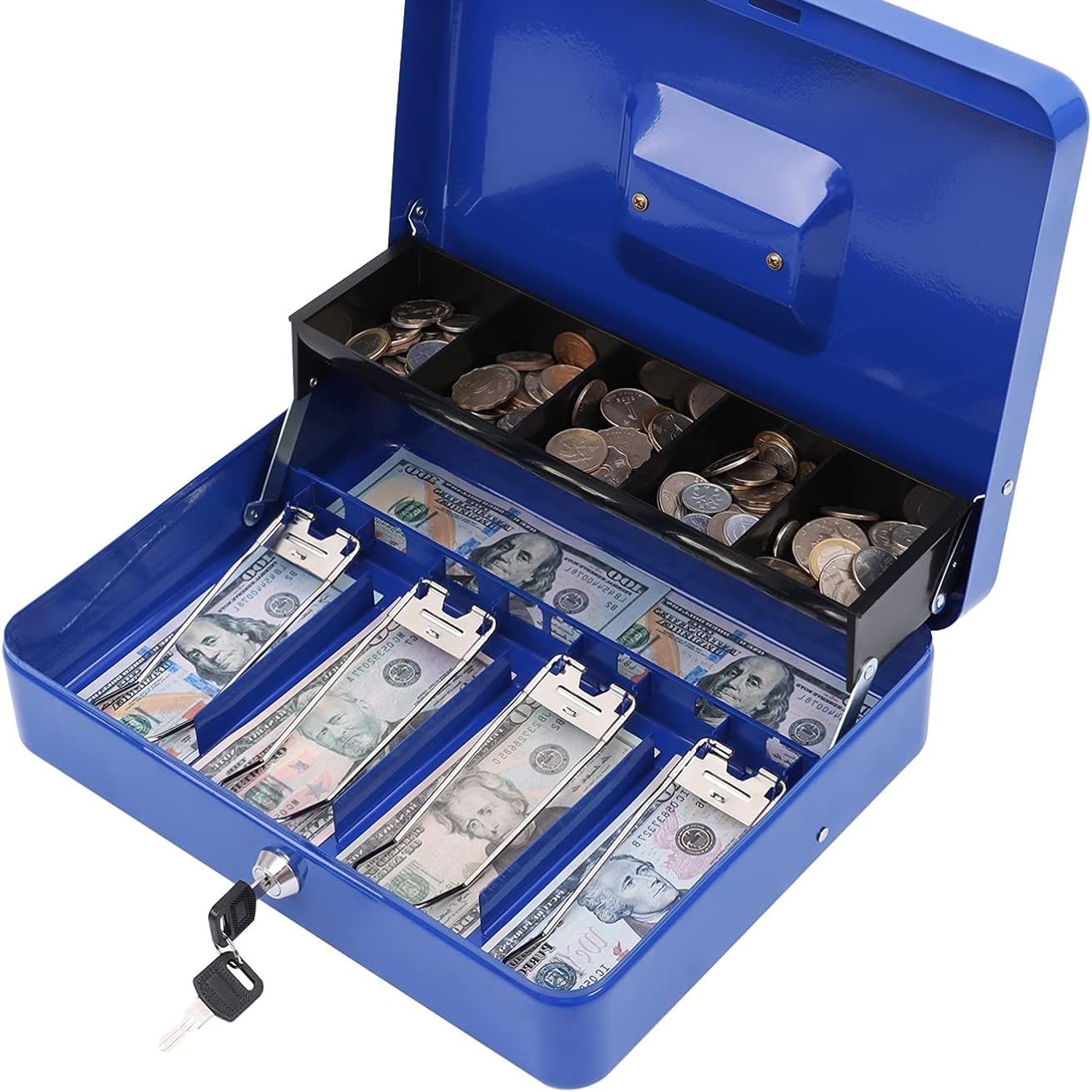
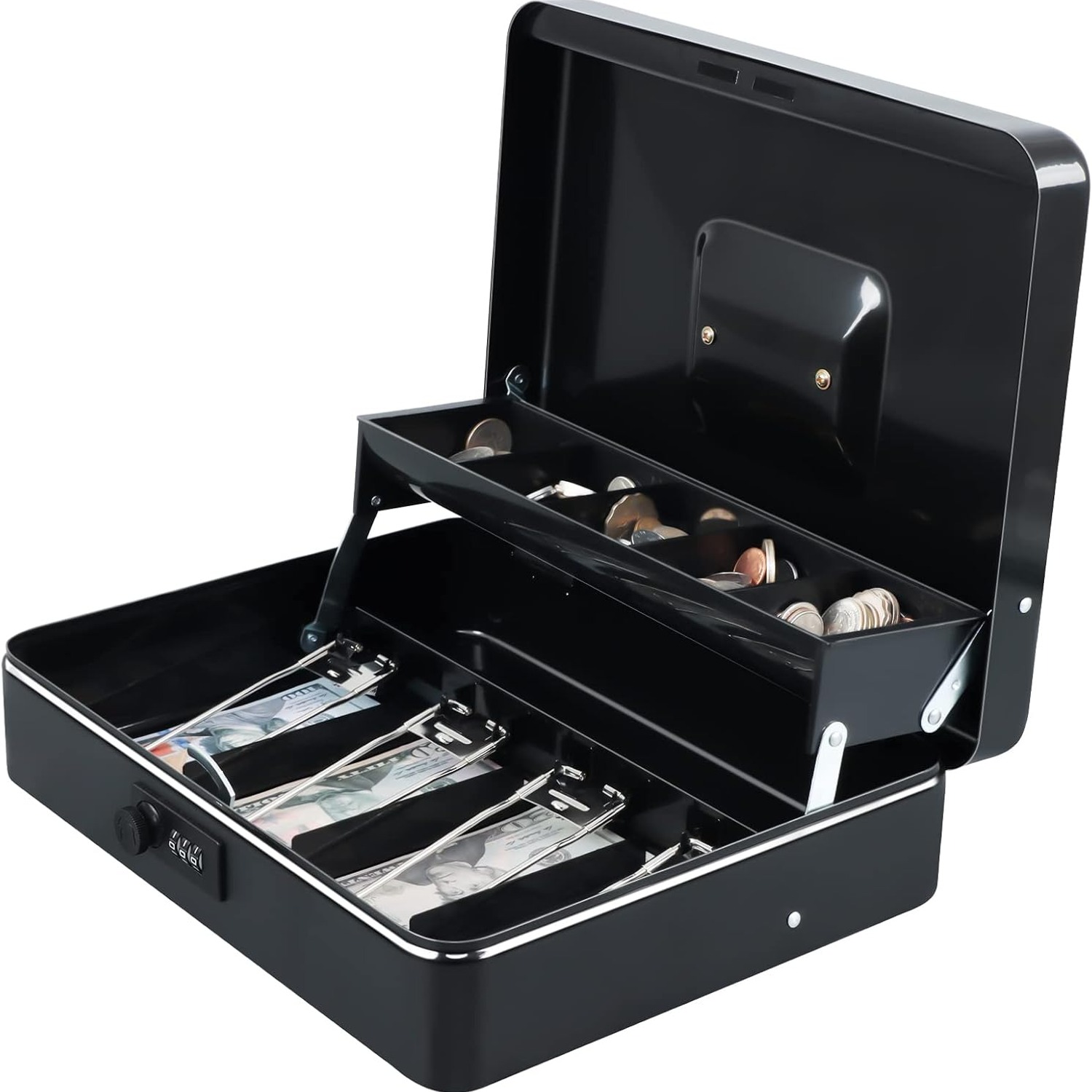
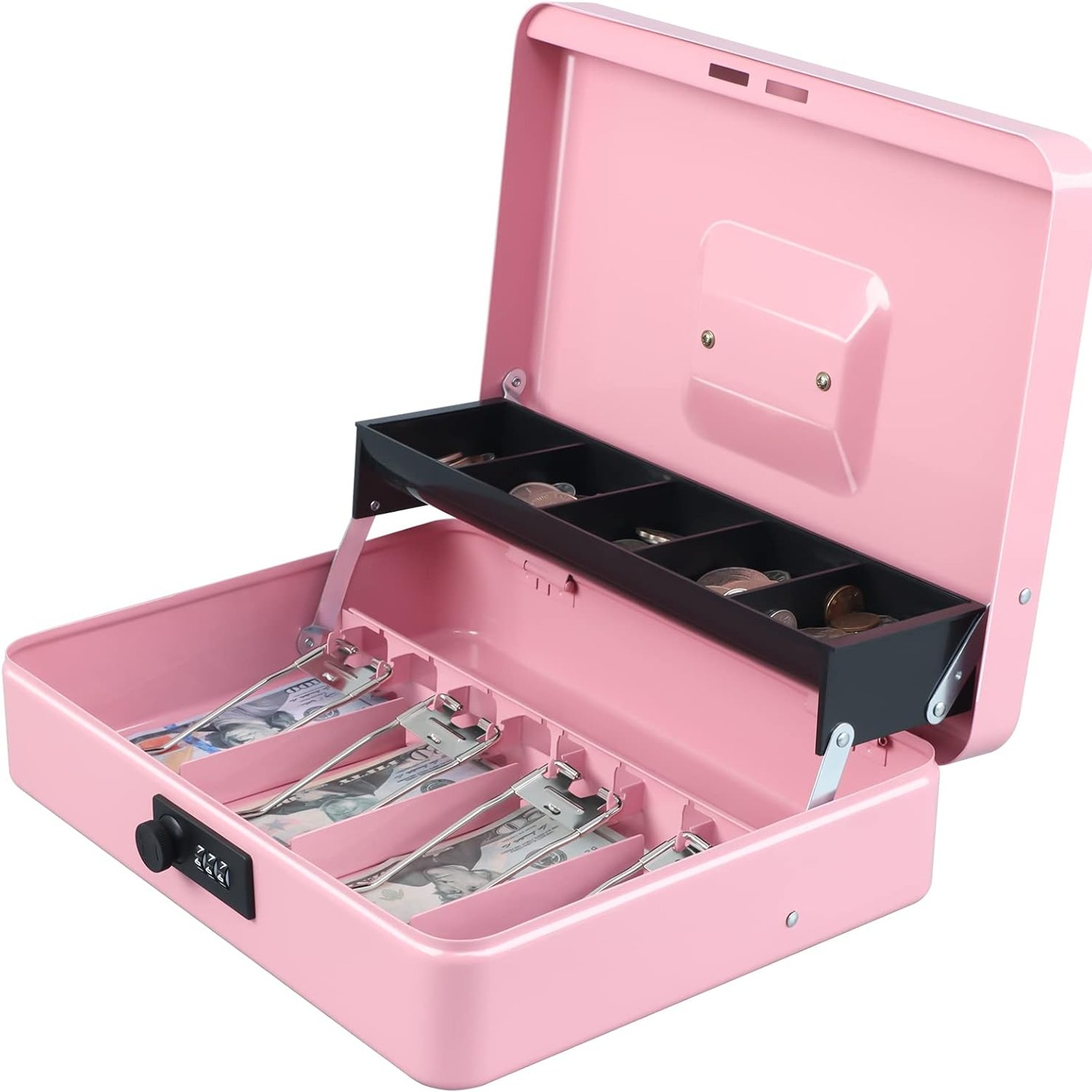
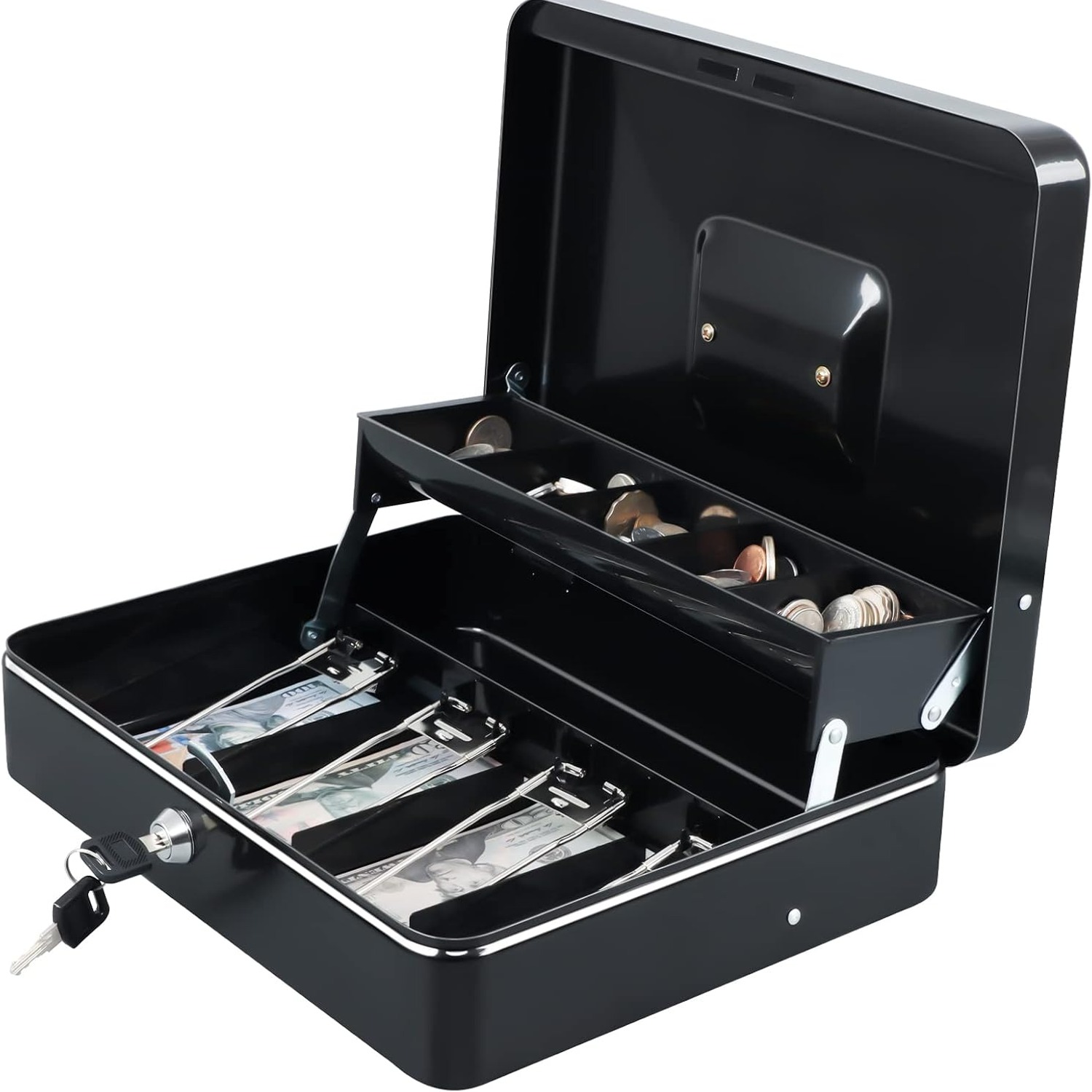
A combination lock cash box gives those items a defined place. This model has five coin compartments, four bill spaces with spring clips, and a tray that opens with the lid. The lock uses a three-number code, so routine access does not depend on carrying a key.
The main question is whether its layout and level of protection match your needs. Here is what to consider before choosing it.
Start with the job you need it to do
Think about how you will handle cash, not just where you will store it. A box used during a busy sale needs easy access to change. A household petty cash box may spend more time closed, with occasional withdrawals and receipts added through the week.
This model is designed around separate spaces for notes and coins. That makes it worth considering when sorting matters more than having one open storage area. Checks and receipts can also go inside, provided they do not block the moving tray or lock.
It is less suited to a job that calls for stated fire protection, water resistance, or a tested burglary rating. Those are different buying needs, and no such ratings are supplied here.
How the tiered tray works
The five-compartment coin tray opens as you lift the lid. This cantilever arrangement lets you see the tray and the lower working area without first setting a loose insert aside.
That matters on a small table. You can keep your cash setup within one area instead of finding another spot for a removed tray. Before opening it in a drawer or under a shelf, allow room for the lid and tray to move.
Assign each coin compartment before you begin taking payments. Keeping the same order throughout a session makes it easier to spot where change belongs. The maker does not give individual compartment sizes, so plan around the coins you actually use rather than an assumed capacity.
What the bill clips add
The lower section has four bill spaces with spring clips. These help hold notes in place instead of leaving them loose beneath the tray. You might sort notes by denomination or reserve a space for a different part of your float.
A money box with bill clips can be useful during an outdoor sale, where loose paper is awkward to manage. Still, a clip is not a reason to leave an open box exposed to strong wind. Keep your cash station sheltered and close the lid when you pause.
Do not pack notes so tightly that the clips or lid need force. A clear, easy-to-count arrangement is more useful than filling every available gap.
Combination access and shared use
A cash box with combination access removes one small task from your routine, keeping track of a separate key. This model has a mechanical three-number lock, and the maker says the code can be changed.
Use the supplied instructions to learn the setup process. The maker does not explain the reset steps or offer a recovery method for a forgotten code. Avoid experimenting with the lock while important contents are inside.
For shared use, decide who should know the combination. If a club or event team uses the box, give one person responsibility for access and counting. A code is easy to share, so it needs the same care you would give a physical key.
Check the size against your space
The product details list the box as 11.8 inches wide, 9.5 inches deep, and 3.5 inches high. Another part of the maker's description gives slightly different measurements of 11.8 x 9.45 x 3.54 inches.
Those figures are close, but the difference matters if you want a snug fit in a drawer or cabinet. Measure the intended space and leave some clearance. If every fraction of an inch counts, confirm the measurements before ordering.
Also consider the open box, not only the closed footprint. The lid and cantilever tray need room to move. A storage spot that fits the closed cash tin may not work as a place to count money.
Capacity is more than one number
The listed capacity is 392 cubic inches. That is a general volume figure, not a promise about how many banknotes, coin rolls, or receipts the box holds.
The useful capacity depends on how the compartments suit your cash. Four bill spaces may work well for one sales setup but require compromises for another with more note denominations. The five coin sections also need to match your preferred sorting method.
No individual bill-space dimensions or supported currencies are specified. If banknote fit is important, confirm it rather than assuming every currency will lie flat. Think about the busiest part of your day, when the box may hold both the starting float and fresh takings.
Where a portable money box fits
A cash box for yard sales can keep change in a predictable place while household items leave the table. At a school event, the same layout can help a designated helper manage small payments.
For a market stall, portability may be useful when setting up and packing away. The carrying handle helps move the closed box, and its listed weight is 1.75 kg before contents are added. Consider that loaded weight if you already carry stock and other equipment.
At home, a receipt storage box with cash compartments can bring related items together. Keep a written record alongside your routine, though. A tidy tray makes counting easier, but it cannot tell you what was spent or why.
Understand the protection limits
Steel construction and a combination lock do not make this a rated safe. No burglary rating, fire rating, or insurance approval is stated in the maker's details.
The distinction matters because the box is portable. Its handle is useful for you, but portability also means it should not be treated as permanent protection for unattended valuables. Keep it supervised during use and choose a suitable secure place for storage.
The maker's description also says it is not water resistant. Rain, spilled drinks, and wet surfaces are all reasons to move it somewhere dry. If your main need is protection from water or fire, look for a product with clearly stated performance for that purpose.
Plan a simple cash-handling routine
Before a sale, count the starting float and assign spaces to the denominations you expect to use. Keep receipts away from the moving parts. A consistent arrangement helps someone else understand the layout if they take over.
During the session, return each note and coin to its assigned space. Close the box when you step away, and avoid letting receipts build into a pile that hides the cash beneath them.
At the end, count the contents against the starting float and your sales record. Separate the paperwork you need to keep. These habits matter as much as the choice of cash counting box, especially when several people share the work.
Care, carrying, and storage
For routine cleaning, wipe the box with a soft cloth and dry it afterward. Avoid soaking it or allowing liquid into the lock and tray mechanism. Remove loose scraps of paper that could catch as the tray moves.
Before carrying, close the lid and check that it is secure. Keep the box level where practical, since divided storage does not mean every coin will stay still during movement. Do not force the lid shut over overfilled compartments.
Store it in a dry place. If the lock or tray becomes difficult to operate, stop and inspect for trapped paper or misplaced contents rather than applying force. Follow any care directions included with the product.
The short version
This coded money box suits everyday cash sorting where separate coin sections, bill clips, and keyless access are useful. Its cantilever tray makes the working area easier to see, while the handle helps with moving the closed box.
Choose it for an organized, supervised cash setup. Check the dimensions carefully, allow room for the open tray, and keep its limits in mind. It is not water resistant, and no fire or burglary rating is stated. If those limits fit your needs, the next step is to compare the compartment layout with the cash you handle most often.